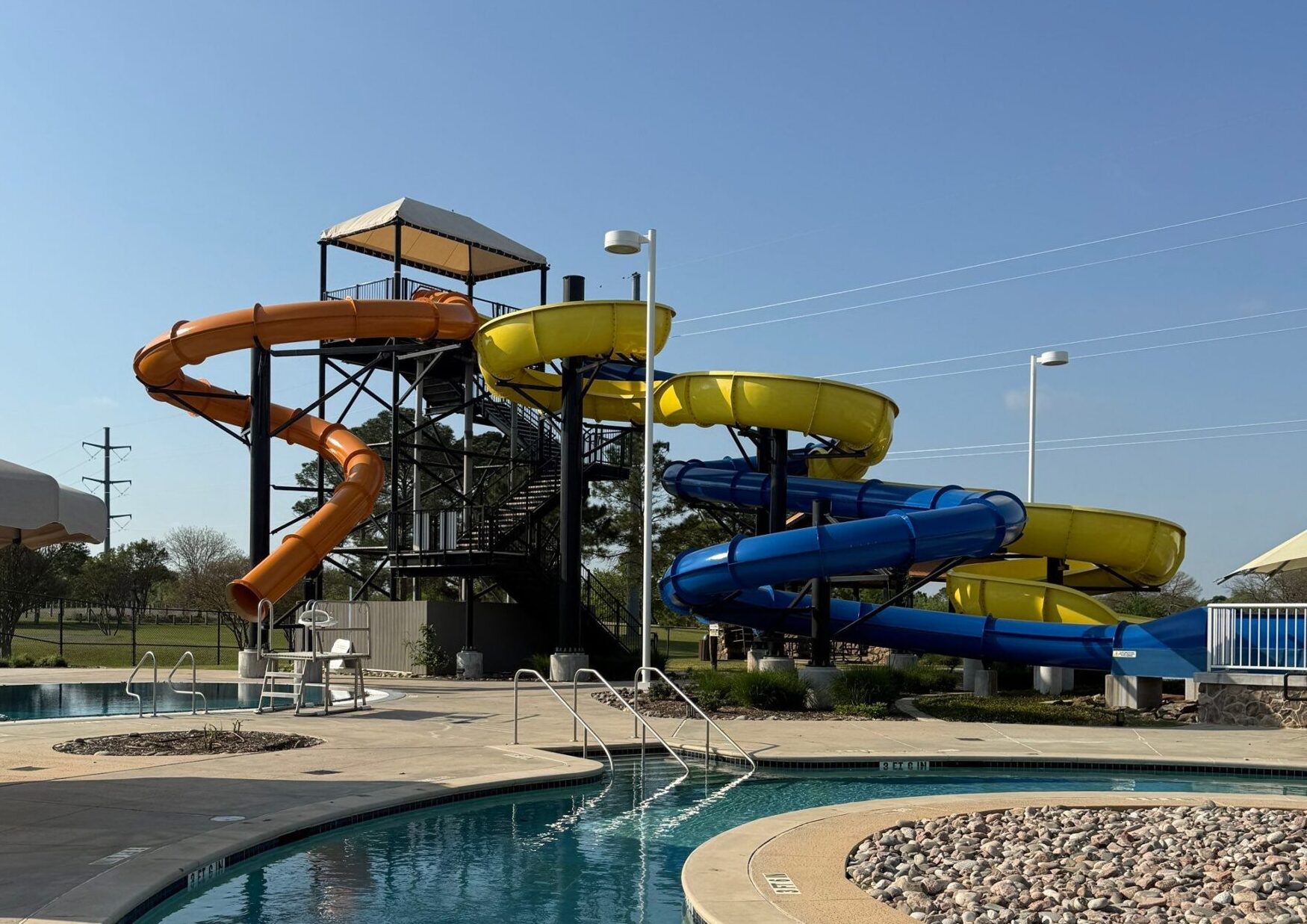
Hurst, Texas
Chisholm & Central Aquatic Centers
Fiberglass repairs, enclosed-flume polishing and waxing, exterior coatings, and steel work across aquatic play features.
Compare targeted finishing and repair work across multiple attractions.
Start with the questions your team is asking. Explore restoration FAQs, real project examples, and references for planning fiberglass, steel, and inspection work.
Whether you are looking at a worn slide surface, planning work on a steel tower, or gathering information for a budget request, these resources help you understand the options and ask more specific questions.
See the original conditions, the restoration scope, and the finished work. These examples give context to the questions above.
Fiberglass repairs, enclosed-flume polishing and waxing, exterior coatings, and steel work across aquatic play features.
Compare targeted finishing and repair work across multiple attractions.
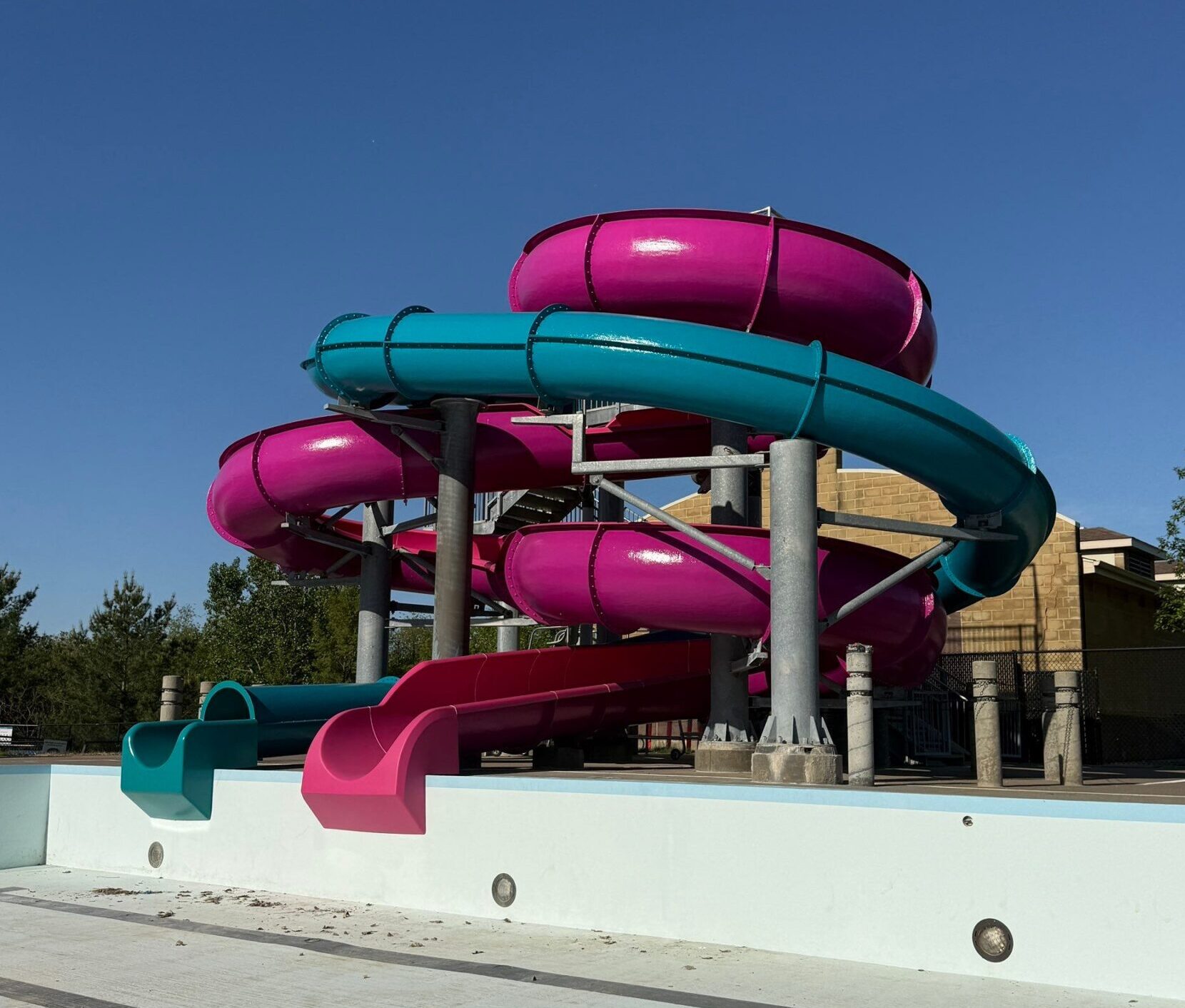
Fiberglass repairs, gelcoat restoration, ride-surface finishing, and exterior recoating with a new color scheme.
See how repair and surface preparation support a broader slide restoration.
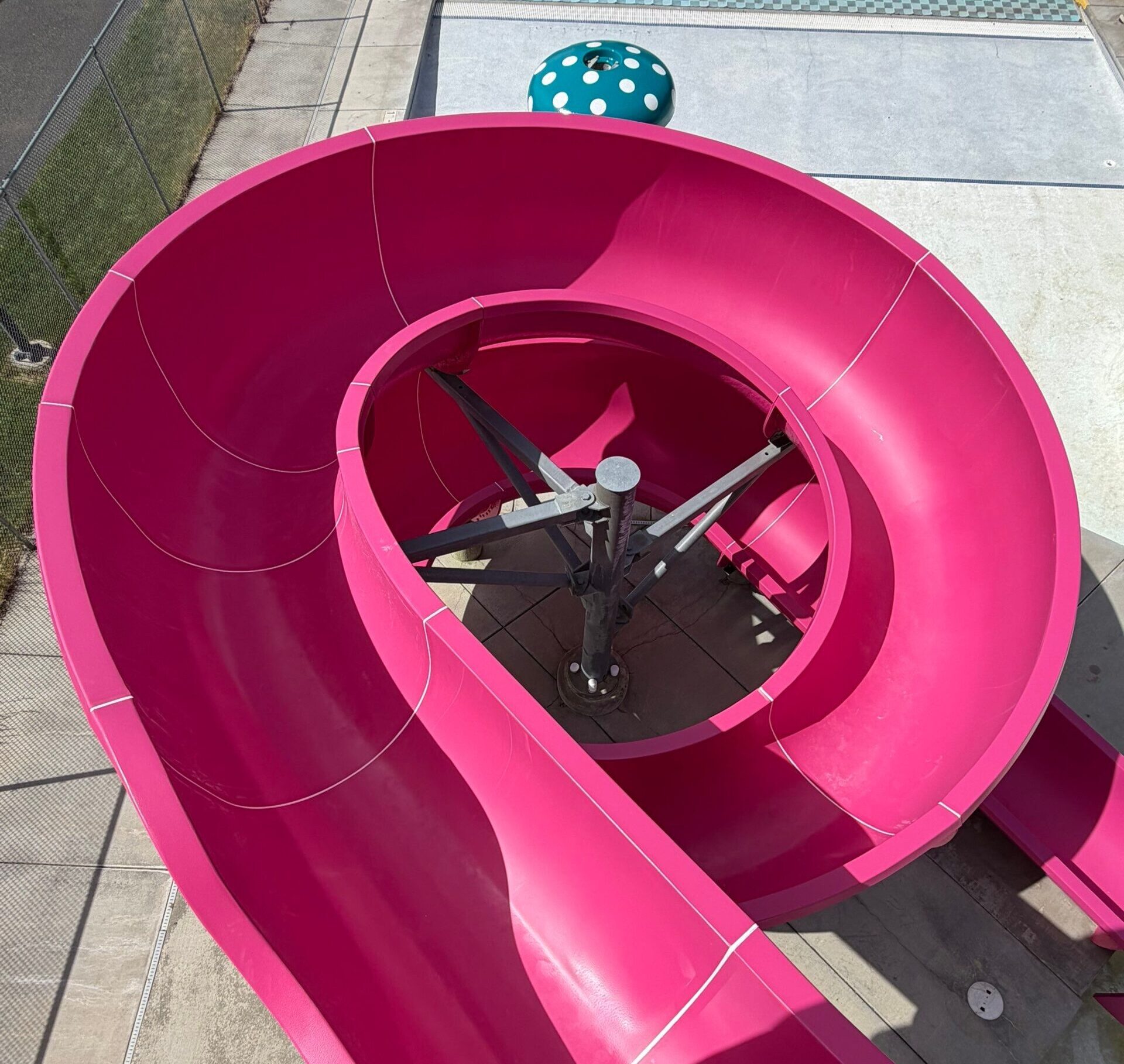
Restoration of a weathered open-flume waterslide, a refreshed finish, and work on a nearby mushroom play feature.
Explore restoration of existing attractions as part of facility maintenance.
Choose a topic, then select a question to open its answer. Find related services, published projects, and supporting references inside each answer.
Restoration may be an option when the condition of the existing slide supports continued use after appropriate repairs and refinishing. The decision should account for fiberglass and steel condition, the work required, and the facility’s goals. A faded finish alone does not establish whether replacement is necessary.
There is no single timeline for every water slide restoration. Slide size and type, damage, repair scope, surface preparation, coatings, site access, weather, and curing requirements affect the schedule. Share your opening date or shutdown window so the work and return-to-service requirements can be discussed for your project.
Water slide restoration pricing depends on the assets involved and the work required. A localized repair, ride-surface restoration, exterior recoating, and steel tower project have different scopes. Photos, dimensions, site access, and maintenance records help establish what needs to be evaluated before a project-specific estimate is prepared.
Send your facility name and location, the slide or structure involved, overall and close-up photos, a description of the concern, and your preferred timing. If available, include dimensions, prior inspection reports, maintenance history, and access restrictions. These details help clarify the scope and whether a site evaluation is needed.
Your team’s training, manufacturer instructions, and the work involved should define what can be handled internally. Routine observation and maintenance records help document changing conditions. Fiberglass damage, concerns about steel condition, and work requiring specialized inspection or coating methods are useful reasons to discuss a defined scope with a qualified service provider.
Start the conversation while there is still time to evaluate conditions, define the scope, and complete purchasing and scheduling steps before the intended work window. Bringing opening dates, shutdown dates, and budget deadlines into the first conversation helps the team plan around your facility’s needs.
Fiberglass repair addresses damage to the underlying composite material. Refinishing addresses the surface finish, such as gelcoat or a coating. When fiberglass is damaged, the repair needs to be defined before the final finish is selected. The Pella project shows why repair work and refinishing may belong in the same scope.
The surface condition determines the appropriate approach. Polishing and waxing can be suitable for some weathered finishes, while damaged fiberglass or a worn finish may need repair or broader restoration. A photo of fading alone does not establish which service is right. Hurst and Pella show examples of different work selected for different surface conditions.
No. Fading describes an appearance change, but it does not by itself determine the condition of the fiberglass, ride surface, or supports. Evaluating those areas helps distinguish finishing work from repair needs or a larger capital project. Published projects at Hurst and Ritzville show restoration of existing attractions with visible fading.
No. The exterior finish and the surface riders contact are different parts of the slide. They may require different preparation, materials, and repair work. A project can include both, but repainting the outside does not describe what has been done to the ride surface. Ask for the scope to identify each area separately.
Surface preparation helps establish the condition needed for a protective coating system. Existing coatings, corrosion, contamination, and the specified surface condition affect the work required before application. The coating system and its preparation requirements should be planned together for the steel and its exposure.
Recoating renews a protective finish; it does not replace lost steel or establish that a damaged structure is suitable for continued use. Suspected material loss or structural damage needs evaluation before a repair scope is determined. Inspection and, where needed, engineering or manufacturer input can inform that decision.
Matching the size alone is not enough to establish a suitable replacement. Hardware selection should follow the requirements for the structure or equipment, including the specified grade, material, and compatibility. Gather the manufacturer or engineering specifications before defining the replacement scope.
Visual inspection evaluates observable surface conditions. Ultrasonic testing uses sound waves to gather information about material condition, including thickness where the selected technique is appropriate. The methods answer different questions and can complement each other. The asset, concern, access, and required scope determine which methods should be used.
Non-destructive testing, or NDT, uses inspection methods to evaluate material or component condition without deliberately damaging the item being tested. Ultrasonic testing and visual testing are examples. Each method has its own uses and limitations, so the scope should state what is being evaluated and which method is appropriate.
The appropriate interval depends on the applicable requirements, manufacturer guidance, asset condition, and facility maintenance plan. An annual visit is not a substitute for understanding those requirements or responding to a new concern. Share your prior reports and the requirements that apply to your assets when discussing an inspection schedule.
Inspection and restoration are separate scopes. An inspection documents conditions within the agreed evaluation; restoration addresses defined repair or finishing needs. Findings may help prioritize maintenance or establish a project scope, but the services and deliverables should be confirmed before scheduling.
Safe Slide Restoration offers BuyBoard and Sourcewell purchasing pathways for eligible organizations. The organization’s eligibility, the applicable contract scope, and its internal purchasing requirements should be confirmed for the proposed work. The procurement pages explain the available pathways and where to start.
Use a case study to compare the original condition, the documented scope, and the completed result. Look for a similar asset or maintenance concern rather than assuming another facility’s scope, cost, or schedule will apply to yours. Before-and-after photos are most useful when they are supported by a description of the work.
The Beneath the Surface archive is coming soon. Recordings are not available through this Resource Center yet. The 22-minute live sessions focus on maintenance topics for aquatic facilities, including recognizing concerns and understanding when specialized support is needed. Contact our team to ask about the next live session.
More detailed articles on fiberglass maintenance, steel restoration, and inspections will be added here as they become available.
For now, start with the FAQs, published case studies, and industry references below.
Our 22-minute live sessions explore the maintenance questions aquatic teams face, from fiberglass wear and leaking seams to corrosion, coatings, and steel hardware.
The archive is coming soon. Recordings are not available here yet. In the meantime, contact our team to ask about the next live session.
These independent references cover composites training and certification, inspection methods, and corrosion protection. They provide background for a project conversation; your asset’s manufacturer guidance and applicable project requirements determine the work needed.

The American Composites Manufacturers Association (ACMA) offers the Certified Composites Technician (CCT) program for composites professionals.
All Safe Slide Restoration fiberglass technicians and project managers are certified through ACMA.
Explore ACMA’s CCT programView Safe Slide’s certifications
The American Society for Nondestructive Testing explains what visual and ultrasonic methods evaluate and their limitations.
Visual testing fundamentalsUltrasonic testing fundamentals
The Association for Materials Protection and Performance explains the role of protective coatings in corrosion control.
Protective coatings for corrosion controlTell us what your team is seeing, what you are planning, and when you need to make a decision.
Protecting your guests. Protecting your investments.